
August 17, 2026 | Prediction Markets
Kalshi Puts 74% Odds on a Fed Hold in September — Here's What It Means for Your Portfolio
The bond market has been whispering it for weeks. Now prediction market participants are saying it out loud with real money: the Federal Reserve is almost certainly standing pat at its September FOMC meeting. Kalshi markets are pricing a 74% probability that the Fed holds rates unchanged — and for macro investors trying to navigate duration risk and equity valuations, that number is more actionable than anything you'll hear from a Wall Street strategist on a Tuesday morning conference call.
This is the signal you've been waiting for. Not a forecast. Not a model. A live, crowd-sourced probability derived from participants putting capital on the line. And right now, that crowd is saying: don't expect a cut in September.
What the 74% Number Actually Tells You
Prediction markets like Kalshi function as real-time aggregators of information, incentive-aligned in a way that analyst consensus simply isn't. When Kalshi prices a 74% chance of a hold, it reflects the collective judgment of participants who are financially exposed to being wrong. That's a fundamentally different signal from a survey or a dot plot.
For portfolio managers, the implication is straightforward: the base case is no cut. That means duration bets on long-dated Treasuries remain risky into the September meeting. Investors who have been leaning into rate-sensitive equities — utilities, REITs, high-multiple growth stocks — need to be honest about the embedded assumption in those positions. If 74% of prediction market capital says the Fed doesn't move, pricing in an imminent pivot is a minority view, not a consensus one.
The macro setup matters here, too. Global money supply dynamics are not making the Fed's job easier. As Metaplanet CEO Simon Gerovich noted just this weekend, the global M2 money supply has reached an all-time high of over $100 trillion — a data point that underscores the inflationary pressure still sloshing through the system. Central banks don't cut into that backdrop without a compelling reason.
Duration Risk Is the Hidden Story
A Fed hold in September doesn't just affect short-end rates. It recalibrates the entire rate path narrative that has been propping up risk assets for much of the year. Equity valuations — particularly in high-growth tech — are extraordinarily sensitive to discount rate assumptions. Every month the Fed delays a cut is another month that the denominator in those discounted cash flow models stays stubbornly elevated.
"A 74% hold probability isn't a green light for risk. It's a yellow light flashing in a market that's been treating it like green."
- AITechWire Editorial AnalysisBond investors face a parallel dilemma. If the Fed holds in September and the market begins repricing cuts further out on the calendar, longer-duration paper gets punished. The 10-year Treasury becomes a live grenade for anyone who bought duration expecting a September pivot to validate their trade. The Kalshi number doesn't guarantee that outcome — but 74% is not a number you fade without a strong counter-thesis.
How to Position Around a High-Conviction Hold
The actionable read from Kalshi's September pricing is three-fold for macro investors:
First, trim duration exposure. With a 74% probability of no cut, extending duration ahead of the FOMC meeting is a risk that isn't being compensated. Short-to-intermediate maturities offer better risk-adjusted positioning until the rate path becomes clearer.
Second, reassess rate-sensitive equity allocations. Utilities, real estate investment trusts, and other yield-proxy equities that have rallied on cut expectations are vulnerable if September passes without action. The crowd has spoken — and the crowd says hold.
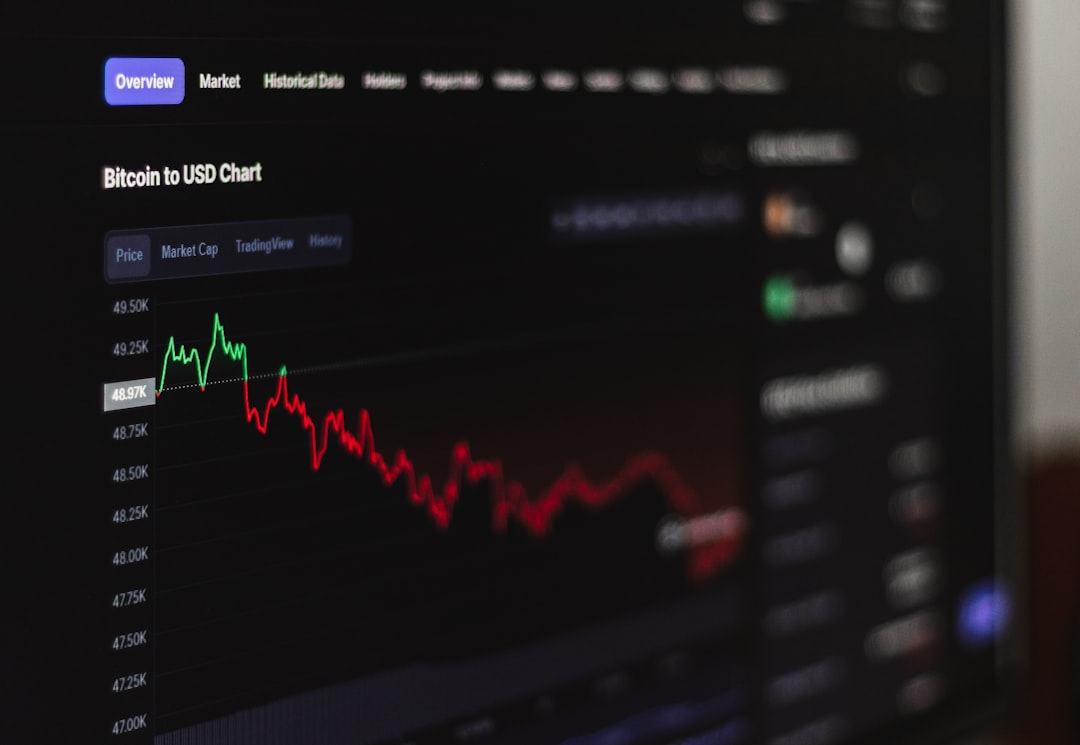
Third, watch crypto as a macro signal. Bitcoin is currently trading in a narrow price band around $63,565, according to CoinDesk data as of August 17, 2026. Strategy's Michael Saylor and Metaplanet's Gerovich have publicly doubled down on BTC as a hedge against infinite money printing — and if global M2 keeps hitting all-time highs while the Fed holds rates, the hard-money thesis gets louder, not quieter.
The Bottom Line
Prediction markets exist precisely for moments like this — when the Fed is opaque, the data is noisy, and every macro pundit has a different read on the tape. Kalshi's 74% hold probability cuts through the noise with a single, capital-weighted verdict: September is not the month the Fed blinks.
For investors who have been building positions around an imminent cut cycle, that number deserves serious weight. It doesn't make the 26% scenario impossible. But it does mean that anyone positioned for a September cut is swimming against a strong current of real-money opinion. Duration, rate-sensitive equities, and risk asset valuations all need to be stress-tested against the base case the market is actually pricing — not the one Wall Street is selling.
Ignore the prediction markets at your own peril. Right now, they're the clearest voice in the room.
Follow @AITechWireIO for daily coverage.