
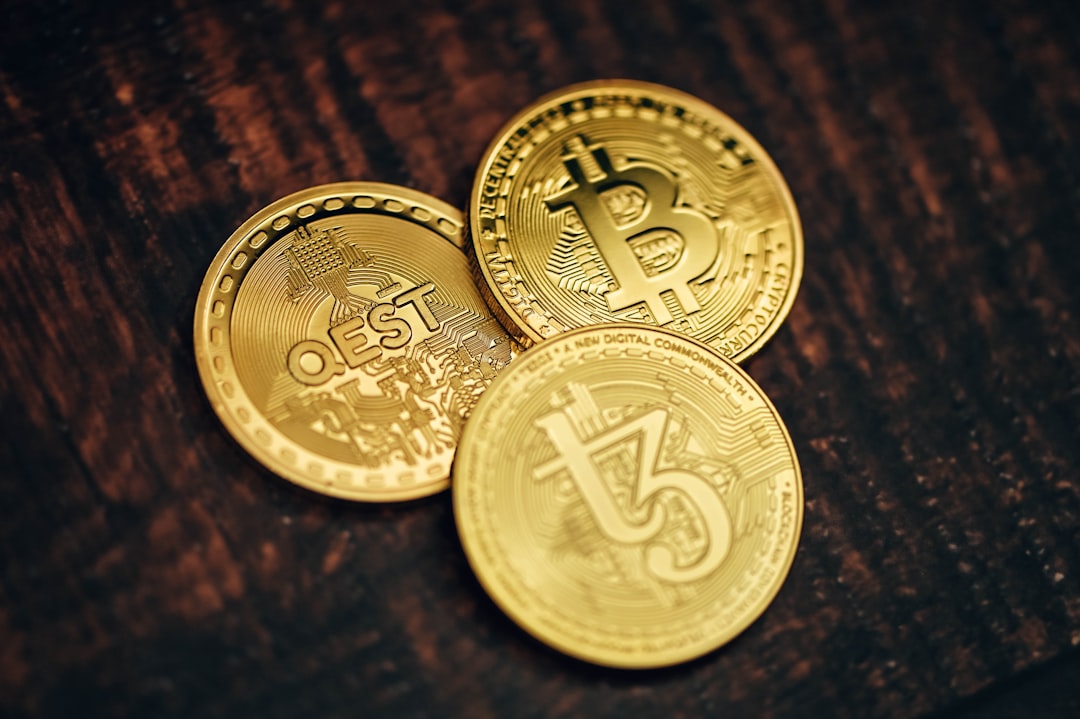
The Federal Reserve held rates steady at 3.5–3.75% on August 5, 2026 — and crypto markets shrugged. Not in relief, not in celebration. Just a flat, unconvincing shrug. While global equities raced to record highs on AI optimism and easing energy concerns, Bitcoin sat near $64,000, barely moving. If the Fed's wait-and-see posture was supposed to be a tailwind for risk assets, someone forgot to tell the crypto market.
The divergence is stark, and it matters. For traders mapping August positioning, the Fed's neutral-to-dovish stance sets a floor — but the ceiling remains murky, weighed down by crypto-specific headwinds that no rate decision can paper over.
Equities Soar, Crypto Stalls — A Dangerous Decoupling
Global stock indexes hit new highs on August 5, fueled by optimism over artificial intelligence and easing energy concerns. Bitcoin, by contrast, added just 0.16% since midnight UTC, trading near $64,020.90. That's not a consolidation. That's a signal.
The decoupling between equities and crypto in the immediate aftermath of the Fed's hold is telling. Historically, a dovish or neutral Fed posture compresses the dollar, loosens liquidity conditions, and nudges investors toward higher-risk, higher-reward assets — including digital assets. That playbook isn't working right now. Crypto is facing its own structural drag that monetary policy alone can't fix.
Derivatives data underscore the malaise: activity in Bitcoin and Ether is subdued. There's aggressive positioning in select altcoins, suggesting speculative appetite hasn't vanished entirely — it's just migrated to the periphery. When the blue chips of crypto can't catch a bid on a record-equity day, that's a meaningful warning sign for August's trading setup.
"Bitcoin is trading little changed even as global stock indexes hit record highs on AI optimism and easing energy concerns, underscoring crypto-specific weakness."
- CoinDesk Markets, August 5, 2026The $4 Billion Tether Drain — Capital Is Leaving
Here's the number that should be keeping crypto bulls up at night: Tether's market value has contracted by $4 billion over the past 60 days. That's not noise. That's a sustained, directional bleed of stablecoin supply — and stablecoin supply is the lifeblood of crypto markets. When USDT shrinks, it means capital is walking out the door.
Analysts watching on-chain data have been clear: a durable bottom in this market would require USDT supply to start rising again. Until that reversal materializes, any rally should be treated with skepticism. The Fed holding rates steady removes one potential catalyst for further dollar strengthening — which could, in theory, slow the stablecoin outflow — but it doesn't reverse the trend on its own.
The stablecoin contraction may also reflect late-stage selling by longer-term holders rotating out of crypto entirely. Combined with subdued derivatives activity in BTC and ETH, the picture is one of a market looking for direction rather than conviction.
The Coldcard Hack: Crisis and Catalyst
Layered on top of the macro uncertainty is a live security crisis. A hack of the hardware wallet Coldcard — which began on July 30 and was still in progress as of August 5 — has already exceeded $120 million in losses. The event has rattled confidence in self-custody strategies that became mainstream following the collapse of FTX in 2022.
The immediate market impact has been chaotic in one specific way: Bitcoin's mempool transaction count surged as holders scrambled to shuffle and reshuffle coins to exchanges and multiple wallets. That's not organic demand — it's defensive movement, fear-driven activity that temporarily inflates on-chain metrics without adding genuine buying pressure.
Yet there's a counterintuitive read here. The hack, while damaging, forced dormant coins into motion. Coins moving to exchanges can, in the right conditions, signal repositioning ahead of new buying — not just selling. For now, the net read remains cautious, but traders should watch whether exchange inflows translate into sell pressure or re-accumulation over the coming sessions.
August Outlook: Watch Jobs, Not Just the Fed
The Fed's hold at 3.5–3.75% buys time but answers nothing. The next major variable isn't another rate decision — it's the jobs data. Softer employment numbers would strengthen the case for a cut, which would be genuinely bullish for crypto: a weaker dollar, improved liquidity conditions, and renewed ETF inflows are the trio that could finally break Bitcoin out of its current rut.
For now, the macro setup is neutral to mildly supportive — but the crypto-specific picture is fragile. A $4 billion stablecoin contraction, subdued derivatives activity in BTC and ETH, a live $120 million security breach, and a failure to rally alongside record global equities is not the profile of a market ready to run.
The Fed gave risk assets room to breathe. Whether crypto uses that room productively in August depends entirely on whether stablecoin supply reverses, jobs data delivers a dovish surprise, and the Coldcard fallout stabilizes rather than escalates. None of those outcomes are guaranteed. Trade accordingly.
Follow @AITechWireIO for daily coverage.