
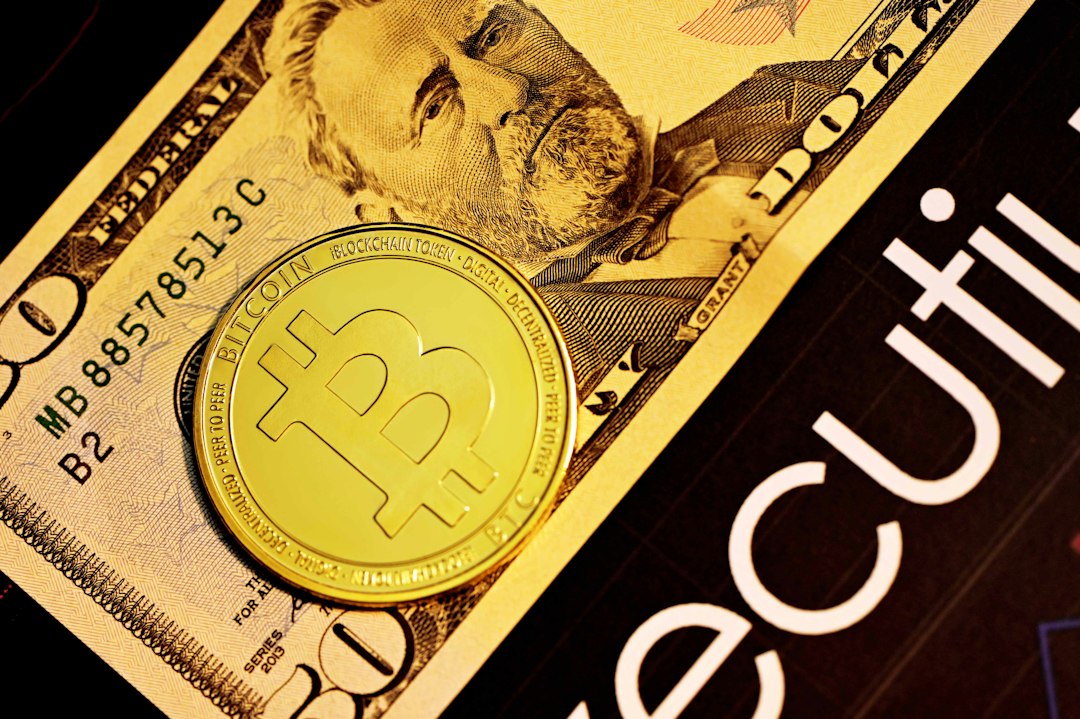
Bitcoin doesn't need much of an excuse to run — but Wednesday's cooler-than-expected inflation print gave it one. The flagship cryptocurrency briefly punched above $85,500 before Treasury yields clawed back control and sent it retreating to just above $83,700. The episode is a textbook snapshot of where crypto sits in Q4 2026: directionally bullish, but shackled to the bond market.
The Inflation Catalyst: PCE Surprises to the Downside
The move was triggered by August's Personal Consumption Expenditures (PCE) Price Index — the Federal Reserve's preferred inflation gauge — which rose 3.4% year-over-year, a meaningful step down from July's 3.7% reading. Month-over-month, prices climbed just 0.3%. Analysts had been bracing for a 3.7% annual figure, so the miss was sizable.
The immediate read-through for crypto traders: less pressure on the Fed to tighten further, more room for risk assets to breathe.
The rate hike odds told the story just as clearly. Earlier in the week, traders had assigned roughly 68–70% probability to another quarter-point hike at the Fed's October 27–28 meeting. New York Fed President John Williams, who also serves as Vice Chair of the FOMC, had already helped chip away at those odds on Tuesday, stating there was "no need for urgency" when it comes to another hike. After the PCE print landed, CME FedWatch pricing showed the probability plunge from 70% to 51.5% — and then fall further, well below the 50% threshold.
Why the Rally Stalled: The 10-Year Yield Problem
Bitcoin's pop to $85,500 was real. The follow-through wasn't. The culprit is the bond market, which is currently refusing to cooperate with the crypto bull narrative.
The 10-year Treasury yield traded around 5.28% — near Wednesday's peak. The 30-year yield steadied at 5.62% after hitting its highest level since 2002 during New York trading hours. These are not yields that invite aggressive position-building in speculative assets. A stronger dollar compounded the pressure, as it typically makes dollar-denominated alternatives like Bitcoin less attractive to global investors.
"A soft inflation print on its own was not enough to keep bitcoin above $85,000 with the 10-year yield near 5.3%. A sustained drop in that yield is the move that would give the next rally room to hold."
- CoinDesk Markets AnalysisCryptoQuant analysts added a sobering note, warning that "the rally is running out of steam" as short-term profit-taking sets in. The bull market's much-anticipated return, they wrote, "is already in trouble." Harsh, but the price action supports the read.
Altcoin Rotation and the ETF Picture
Even with Bitcoin giving back gains, the broader market offered some green. HYPE led major cryptocurrencies, climbing 3% to approximately $89. Dogecoin gained nearly 2% to just under 10 cents. Ether, BNB, TRX, and ZEC each added less than 1%, while XRP was flat at $1.50. Solana was the notable laggard, slipping nearly 1% to just under $119.
The altcoin action is worth watching as a signal of risk appetite rotation — when Bitcoin stalls near resistance, capital has historically found its way into higher-beta plays. HYPE's 3% gain on a day when BTC couldn't hold $85,000 fits that pattern precisely.
On the ETF front, the picture is mixed but not alarming. J.P. Morgan estimated $56 million of net sales on Monday across major cryptocurrency exchange-traded products — a notable reversal after last week logged the biggest inflows recorded all year, at over $3.2 billion. One weak day after a record week is noise, not a trend. But it does suggest institutional appetite is sensitive to macro conditions, particularly the direction of yields.
The quarterly context matters here: Bitcoin is on pace for its best quarterly performance since Q4 2024, when it rose 47%. It has spent much of the summer anchored in the $60,000 zone. The current range, while frustrating for bulls, represents a significant structural recovery.
The Bottom Line: December Is the Real Catalyst
Wednesday's session crystallized the current setup for crypto investors: the macro tailwinds are real, but they're not yet strong enough to deliver a clean breakout. The Fed's rate path now points toward December as the more likely venue for any further action, which effectively buys risk assets several weeks of breathing room — provided yields don't continue their ascent.
For investors watching ETF flows and positioning for altcoin rotation, the playbook is straightforward. Softening inflation reduces the odds of an October shock. New York Fed President John Williams already telegraphed patience. If the 10-year yield begins a sustained pullback from the 5.3% zone, Bitcoin's next move above $85,000 has a genuine chance of holding. Until then, the $82,000–$85,000 range is the battlefield, and Wednesday proved that a single data point — even a good one — isn't enough to end the war.
Watch the 10-year. Everything else is noise.
Follow @AITechWireIO for daily coverage.